

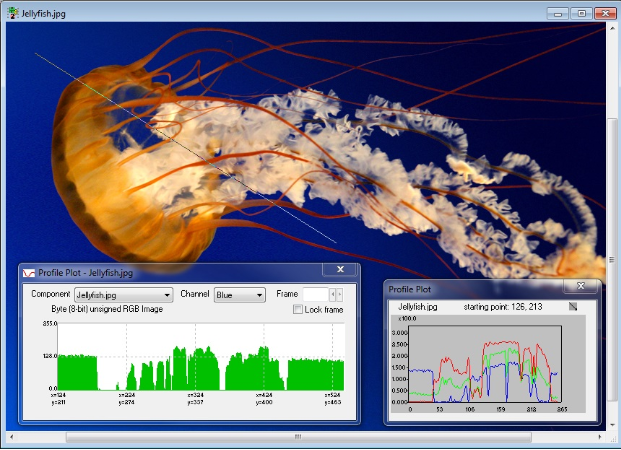
Digital video evidence has become one of the most important resources in modern investigations. Surveillance cameras, body cams, traffic monitoring systems, and even mobile devices continuously make recordings that investigators use to rebuild what happened and confirm important details. But yeah, going through huge amounts of footage is not simple, it needs tools made for forensic examining. Advanced video investigation software helps investigators manage complicated recordings in a way that boosts efficiency accuracy, and also keeps evidence integrity more solid.
A lot of today’s forensic platforms combine enhancement , synchronization, acquisition, and analysis features into one place, so investigators can work with video evidence more effectively, like less jumping around between steps, and more consistent results.
Managing complex video evidence
Investigators often deal with footage pulled from different surveillance setups and recording devices. The recordings can have different resolutions, frame rates, and compression styles , so analyzing everything gets harder fast.
Professional video investigation software supports a lot of surveillance and digital video formats, so investigators can process recordings without needing a bunch of separate conversion tools. That reduces friction and delays while the investigation is moving.
Whxn access to video data is streamlined, forensic workflows get faster , and investigators can focus more directly on interpreting evidence instead of wrestling with files.
Preserving evidence integrity
Keeping the original quality of recorded evidence is key in investigations. If footage gets changed unnecessarily or degraded too much, it can weaken how trustworthy the analysis is later.
Advanced forensic systems support lossless acquisition methods, so frame accuracy stays intact and synchronized audio remains aligned during processing. That helps keep the analyzed output consistent with the source material.
With evidence integrity protected like that, investigators can do forensic video analysis with more confidence, and their findings are easier to trust as reliable.
Integrated playback and processing
Older workflows tend to split into disconnected phases, like acquisition, conversion, enhancement, and review. When footage has to be moved between different applications, the process becomes clunky, slow, and error-prone.
Modern video investigation software brings playback, enhancement, synchronization, and analytical work into one centralized forensic environment. Investigators can process and review footage within the same workflow, cutting delays and improving day-to-day efficiency.
This integrated approach supports stronger forensic video analysis because professionals manage evidence with more control, and the processing methods stay consistent.
Multi-channel synchronization
A single incident is often captured at the same time by multiple cameras across different locations. If investigators review every recording on its own, it becomes tough to understand the whole sequence of events.
Advanced forensic systems include synchronized multi-channel playback so investigators can compare viewpoints inside one shared timeline.
That improves situational awareness, and it helps investigators reconstruct events more accurately during the investigation.
Enhancing difficult footage
Video evidence is frequently recorded in rough conditions. Bad lighting, motion blur, low resolution, and compression artifacts can shrink visible detail and make analysis harder.
Professional video investigation software includes enhancement tools meant to increase clarity while still respecting evidence integrity. These tools assist investigators when examining individuals, objects, and movement patterns in footage that is otherwise difficult to interpret.
Better visibility leads to more accurate forensic video analysis, and it supports stronger interpretation of what actually shows up in the recording.
Flexible workflow configuration
Not every case needs the same kind of analysis. Some investigations emphasize enhancement and stabilization, others require calibration, synchronization, or scene reconstruction.
Modern forensic systems offer modular processing environments so investigators can configure workflows on the fly using specialized tools and functions.
That flexibility increases efficiency, and it lets professionals shape the analytical workflow based on how complex the case becomes.
Camera calibration and measurement accuracy
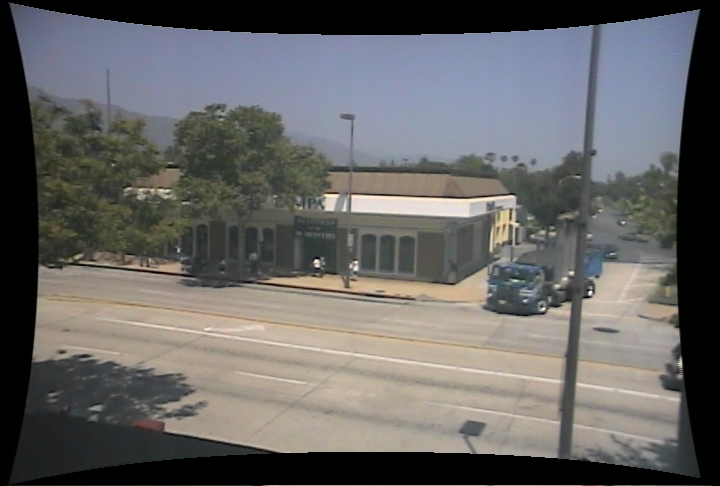
Camera lenses and placement can introduce distortions, and those distortions can affect spatial interpretation and measurement accuracy in recorded footage.
Advanced forensic environments include calibration and lens correction tools that restore more accurate image geometry. Fixing distortion improves analytical precision, and it supports reliable reconstruction and measurement tasks.
These features matter a lot in investigations involving positioning analysis or scene reconstruction.
Supporting large-scale digital investigations
As surveillance technology keeps expanding, the volume of digital evidence keeps growing too. Investigators need systems that can handle large datasets efficiently while still maintaining evidence reliability.
Professional video investigation software supports scalable workflows, so investigators can manage high volumes of footage more effectively. Integrated analytical capabilities also help streamline processing tasks and reduce operational complexity.
That scalability improves the overall effectiveness of investigative workflows, and it supports long-term digital evidence management without turning everything into a mess.
The Role of Forensic Video Analysis in Modern Investigations
Since video evidence keeps getting more important in investigative work, it feels like the demand for specialized analytical tools is still rising, and not a little. Forensic video analysis, in particular, depends on systems that can deal with tricky file types, keep the evidence quality intact, and also help with more advanced processing steps.
But the details matter, because if something goes off, the whole chain can get messy, even if it looks fine at first glance.
These days, modern forensic platforms give investigators what they need to work through video evidence correctly, while also boosting speed and, in a practical sense, improving analytical dependability.
When a platform folds enhancement, synchronization, calibration, and playback into one environment, the investigative flow tends to feel smoother. It supports investigative workflows across a lot of different use cases. Not just one neat scenario, but several connected ones where the footage behaves differently.
Conclusion
Digital investigations really rely on accurate reading of recorded material. Advanced video investigation software helps professionals handle complicated surveillance recordings, preserve evidence integrity, and keep analytical workflows moving without constant back and forth.
With features like synchronized playback, modular processing, enhancement tools, and calibration support, these systems tend to increase the effectiveness of forensic video analysis in many investigative situations.
So, by bringing together precision, adaptability, and advanced forensic functions, current investigative platforms keep reshaping how experts process and interpret digital video evidence, in a way that feels more controlled.